
How ITAD Services Help Schools Access Technology
Schools face challenges in keeping up with technology due to tight budgets and outdated devices. IT Asset Disposition (ITAD) services address these issues by securely managing old electronics, refurbishing usable devices, and recycling unusable components. Here's what ITAD services do for schools:
- Affordable Access to Devices: Schools can obtain refurbished devices at lower costs, reducing hardware expenses by up to 33%.
- Data Security: ITAD ensures sensitive data is erased using certified methods, helping schools comply with regulations like FERPA.
- Simplified Logistics: ITAD providers handle everything from collecting old devices to delivering refurbished ones, easing the burden on school staff.
- Electronics Donation Programs: Functional devices are refurbished and donated to underserved schools, helping bridge the technology gap.
- E-Waste Reduction: By recycling responsibly, ITAD services prevent harmful waste and promote reuse.
Companies like Rica Recycling specialize in ITAD services, ensuring schools can focus on education while improving access to modern devices.
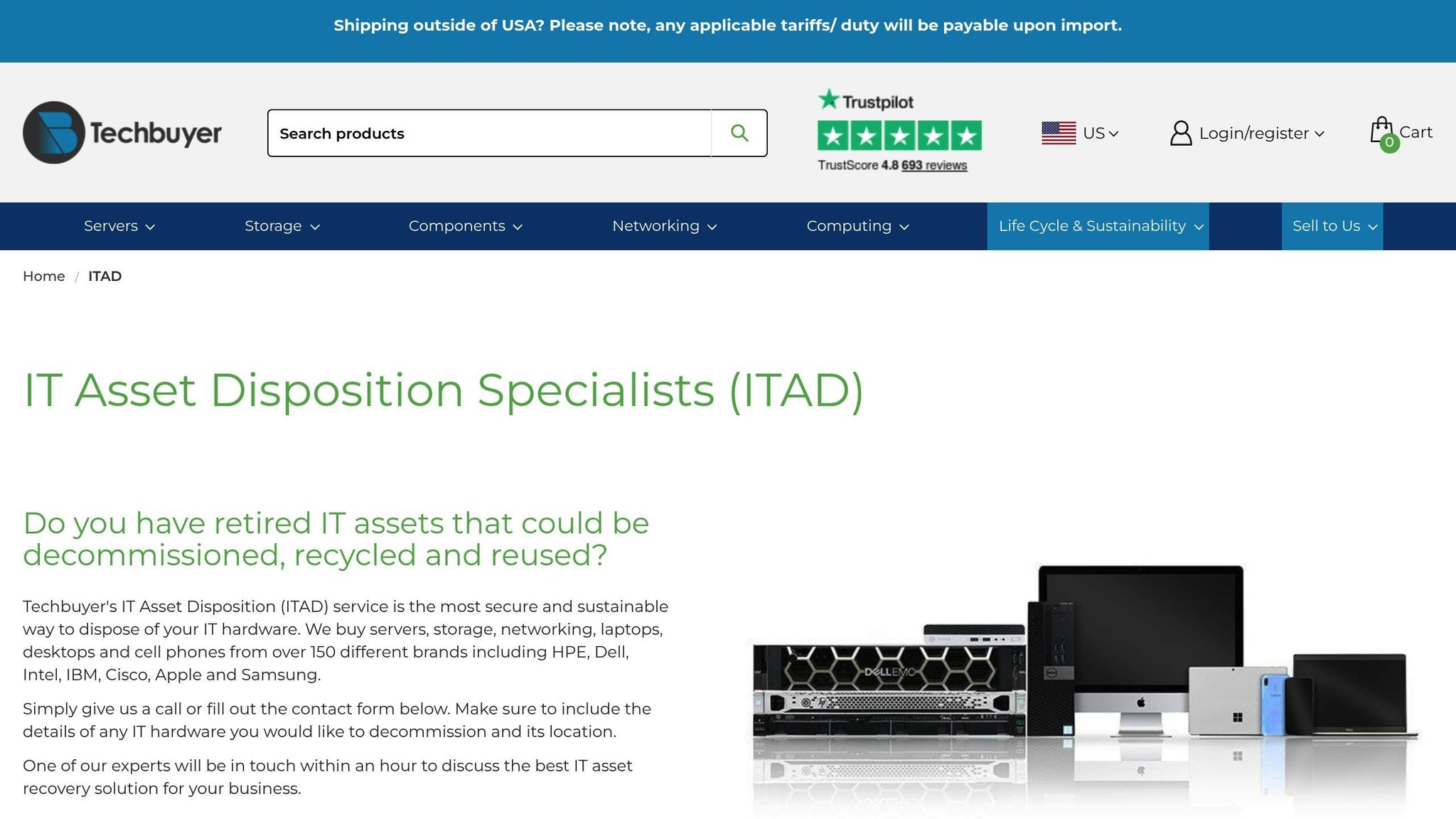
Providing Quality IT Equipment to Schools in Africa – Techbuyer ITAD
Understanding ITAD Services and Their Process
ITAD, or IT Asset Disposition, involves the secure and responsible handling of end-of-life electronics. This includes everything from securely erasing data to refurbishing usable devices and recycling components that can't be repurposed. For schools dealing with tight budgets and outdated technology, ITAD services simplify the entire lifecycle of electronic devices while offering refurbished equipment at more affordable prices.
But ITAD isn't just about getting rid of old devices. It's a comprehensive process that safeguards sensitive data, ensures compliance with regulations, and maximizes the value of retired technology. Schools also benefit from access to professionally refurbished devices, making it a practical solution for modern education needs.
Main Steps in ITAD Processing
The ITAD process generally follows four key stages:
- Device Collection: This is where it all begins. ITAD providers like Rica Recycling offer convenient options, such as on-site pickups or drop-off locations, making it easier for schools to handle large volumes of outdated equipment. This step eliminates the logistical burden on school IT staff.
- Secure Data Destruction: Protecting sensitive information is critical. Storage devices are either wiped clean, degaussed, or physically destroyed to ensure data cannot be recovered.
- Device Recovery and Refurbishment: Once data is erased, technicians assess each device to determine whether it can be reused or resold. They test functionality and evaluate hardware specifications. Some ITAD programs even provide schools with credits for new technology purchases or offer refurbished devices at reduced costs, stretching tight budgets further.
- Electronics Recycling: For components that can't be reused, environmentally responsible recycling methods are employed. Items like broken monitors, damaged circuit boards, and outdated parts are processed to recover valuable materials while keeping harmful waste out of landfills.
Data Security and Compliance Requirements
Given the sensitive nature of the data schools manage, ensuring its security is a top priority in the ITAD process. Regulations like FERPA and, in some cases, HIPAA, require strict data protection protocols. ITAD providers meet these standards by using certified data destruction techniques and issuing certificates to confirm complete data elimination.
State and local laws add another layer of responsibility. For instance, in California, schools must work with certified e-waste providers to avoid fines or legal issues. Providers like Rica Recycling not only meet these standards but also maintain a 100% landfill-free operation, ensuring schools comply with both environmental and legal obligations.
How ITAD Services Enable Electronics Donation Programs
ITAD services play a crucial role in connecting organizations with surplus technology to schools that need it most. Instead of letting functional devices go to waste, these services collect, refurbish, and redistribute them, transforming outdated equipment into valuable tools for education. By taking care of refurbishment, ensuring compliance with regulations, and managing logistics, ITAD providers make the donation process hassle-free for businesses while giving schools access to much-needed technology. This system not only prevents waste but also helps bridge the technology gap in education.
Refurbishing Devices for School Use
The refurbishment process is thorough and tailored to meet the needs of classrooms. ITAD providers carefully assess each device, testing its hardware and replacing any worn-out components to ensure it can handle the demands of a school environment. They also reconfigure the software, removing unnecessary corporate programs and installing updates to ensure the devices can run educational applications smoothly. Every refurbished device undergoes rigorous testing to ensure it’s ready for classroom use.
Handling Transportation and Setup for Schools
Once devices are refurbished, ITAD providers oversee the entire logistics process, ensuring that the technology reaches schools quickly and efficiently. From picking up surplus equipment to delivering it to schools, these providers manage every step. They also match devices to specific school needs, ensuring that each institution receives equipment that’s both functional and appropriate.
Take Rica Recycling, for example. Operating in the San Francisco Bay Area, they offer convenient pickup and drop-off services while maintaining detailed tracking of every donated device. Their certified processes ensure that technology is successfully transferred from corporate donors to schools, making the entire operation seamless.
Many ITAD providers go a step further by offering on-site setup and configuration support. Instead of just delivering boxes of equipment, they help schools integrate the technology by setting up networks and providing basic training for staff. This hands-on approach is especially beneficial for schools with limited IT resources, allowing educators to focus on teaching while ITAD professionals handle the technical work. It’s a win-win solution that simplifies the integration of technology into the classroom.
sbb-itb-855056e
Benefits ITAD Services Provide to Schools
ITAD services offer schools much more than just a way to dispose of old equipment. Across the United States, educational institutions are leveraging these services to enhance their technology programs while addressing broader goals like budget optimization and environmental responsibility. The advantages range from immediate cost savings to long-term sustainability efforts.
Cutting Costs and Maximizing Value
One of the standout benefits of ITAD services is their ability to cut hardware expenses by as much as one-third through access to affordable refurbished devices. At the same time, these services recover value from older equipment, freeing up funds for other critical needs like teacher training or software licenses. Schools also avoid hefty disposal fees and the staggering costs of potential data breaches, which average $3.79 million per incident in the education sector.
ITAD providers ensure that refurbished devices meet the demands of educational environments by thoroughly testing and certifying them for reliable performance. This combination of cost savings and dependable technology makes ITAD services an attractive option for schools looking to stretch their budgets further while addressing environmental concerns.
Tackling E-Waste and Supporting Sustainability
With the United States generating over 6.9 million tons of e-waste annually, schools play a significant role in contributing to this growing problem. ITAD services provide a practical solution by focusing on responsible recycling and refurbishment, keeping electronic waste out of landfills.
Certified recycling programs not only conserve natural resources but also prevent harmful materials from polluting the environment. These programs extend the lifespan of IT equipment, promoting a circular economy. By choosing ITAD services, schools actively reduce their carbon footprint and demonstrate a commitment to sustainability.
Take Rica Recycling in the San Francisco Bay Area as an example. Their strict landfill-free policy ensures that no school electronics end up in dumps. Additionally, their certified recycling processes fully comply with California’s e-waste regulations. As Rica Recycling puts it:
"To encourage the world to raise their standards of reduction, recycling, and reuse through providing economic and efficient ways for individuals and companies to safely and responsibly recycle electronics."
Beyond environmental benefits, sustainable ITAD practices help schools stay compliant with local and state e-waste regulations, such as California’s AB 341 and AB 1826. This approach not only safeguards the environment but also ensures schools have access to better-quality technology.
Improving Access to Modern Technology
Through ITAD programs, schools gain access to refurbished devices that are carefully tested and updated to support current educational software. This access is especially vital for underserved schools that might otherwise struggle to provide students with the digital tools needed for today’s learning environments.
These refurbished devices aren’t outdated leftovers - they’re selected and prepared to work seamlessly with modern teaching methods and online learning platforms. By alleviating financial pressures and reducing waste, ITAD services enable schools to bridge the digital divide, equipping students with the technology required for remote learning, digital literacy, and more.
As remote and hybrid learning models continue to grow, the demand for reliable, up-to-date technology in schools has never been higher. ITAD services not only facilitate these upgrades but also streamline inventory management, allowing schools to efficiently track and manage their IT assets throughout their lifecycle. This ensures that schools are always equipped with the tools they need to succeed in an increasingly digital world.
Rica Recycling's Role in Supporting School Technology Access
Rica Recycling plays an important role in helping schools across the San Francisco Bay Area tackle their technology challenges. With over two decades of experience in electronics recycling, the company offers tailored IT Asset Disposition (ITAD) services that not only manage schools' IT equipment responsibly but also support efforts to improve technology access. Their expertise aligns with broader ITAD strategies, ensuring that schools can focus on education while leaving asset management to the professionals.
Certified Electronics Recycling and Data Destruction
When it comes to data security, Rica Recycling uses certified methods to ensure sensitive information is completely erased before disposal. Their secure data wiping processes are designed to meet regulatory standards, giving schools peace of mind. For added security, the company physically shreds hard drives and follows strict chain-of-custody protocols to guarantee complete data destruction.
This level of care is essential for schools, which often handle sensitive information like student records, health data, and payroll details. To maintain compliance with regulations such as FERPA (Family Educational Rights and Privacy Act), Rica Recycling provides official certificates of data destruction and recycling. These certificates are not just useful for audits - they’re crucial for avoiding costly data breaches and the reputational damage that can come with mishandling confidential information.
Rica Recycling also ensures compliance with California’s electronic waste laws, helping schools steer clear of potential legal troubles tied to improper e-waste disposal.
Pickup and Drop-Off Services for Schools
Logistics can be a headache for schools, especially when it comes to managing large quantities of outdated electronics. Rica Recycling takes the hassle out of the process by offering convenient pickup and drop-off services. Instead of leaving schools to figure out transportation, the company handles the removal of equipment directly from school sites, making the process smooth and efficient.
For those who prefer drop-off options, Rica Recycling’s Hayward, California facility accepts a wide variety of electronics, including computers, servers, monitors, printers, cell phones, and cables. Schools with limited IT staff, particularly K-12 institutions, benefit greatly from this support, as it allows them to concentrate on their core mission - education - rather than worrying about asset disposal.
Supporting Donation Programs for Underserved Schools
Beyond recycling, Rica Recycling actively supports donation programs aimed at underserved schools. By identifying functional devices that can be refurbished, the company helps redirect usable equipment to schools with limited budgets. Their mission is clear:
"To encourage the world to raise their standards of reduction, recycling, and reuse through providing economic and efficient ways for individuals and companies to safely and responsibly recycle electronics."
Through partnerships with schools and nonprofits, Rica Recycling creates custom solutions to ensure reusable devices find their way to institutions that need them most. Their IT Asset Recovery services identify and refurbish equipment, giving retired devices a second life and turning them into valuable tools for education.
This approach makes a real difference for underserved schools, helping to close the technology gap. By acquiring refurbished devices through Rica Recycling, schools can save up to one-third of the cost compared to buying new equipment. This not only makes technology more affordable but also supports a circular economy by extending the lifespan of IT assets.
Rica Recycling accepts a broad range of electronics, including laptops, desktops, servers, and mobile phones. Instead of discarding functional devices, their efforts help bridge the digital divide, ensuring that more schools and students have access to the tools they need to succeed.
Conclusion: How ITAD Services Help Close the Technology Gap
ITAD services play a key role in bridging the technology gap by offering schools secure and certified ways to handle outdated electronics. These services make modern technology more accessible while ensuring data security and promoting environmental responsibility.
For schools, the financial benefits are clear. By using certified refurbished equipment, they can reduce hardware costs by as much as 33%. But it's not just about saving money - ITAD providers also prioritize data protection, offering official data destruction certificates to ensure compliance with FERPA. This guarantees that sensitive student and staff information is completely erased before devices are reused or recycled, minimizing the risk of data breaches.
On the environmental front, ITAD services contribute by reducing e-waste and extending the life of electronics. For instance, companies like Rica Recycling, which follow a 100% landfill-free policy, responsibly manage retired school electronics. They also support donation programs, helping underserved schools gain access to technology.
Another advantage is the streamlined logistics ITAD providers offer. From securely picking up old devices to delivering and setting up refurbished ones, they take care of the entire process. This turnkey solution allows school staff to focus on their primary responsibilities - teaching - while ensuring their technology needs are met in a hassle-free and efficient manner.
FAQs
How do ITAD services protect sensitive data on school devices?
When schools upgrade their technology, ensuring the safety of sensitive data is critical. ITAD services take this responsibility seriously by implementing secure data destruction methods. These include techniques like wiping hard drives clean or physically shredding storage devices, making it impossible for anyone to retrieve the information.
By doing so, schools not only safeguard student and staff privacy but also stay compliant with privacy laws. Plus, these services handle the recycling of outdated electronics responsibly, offering a secure and eco-friendly solution.
What are the key steps in refurbishing electronics for schools?
Refurbishing electronics for schools involves a series of key steps to make sure the devices are safe, reliable, and ready for classroom use. It starts with a thorough inspection and testing to pinpoint any problems or defects. Once identified, outdated or faulty parts are either repaired or replaced. Upgrades, like installing newer hardware or software, are also added to boost performance. After that, the devices are given a complete cleaning - both physically and digitally - with all previous data securely erased to protect privacy and security.
This approach not only extends the life of the devices but also provides schools with access to affordable, dependable technology. Plus, it plays a role in reducing e-waste, making it a win for both education and the environment.
How can ITAD services help schools benefit from electronics donation programs?
Schools can benefit greatly from ITAD services, especially when it comes to electronics donation programs. By teaming up with a reliable provider, schools can gain access to refurbished devices or recycled electronics that match their specific needs. This initiative plays a crucial role in narrowing the technology gap for underserved communities.
These programs go beyond just providing devices. They ensure all donated electronics are thoroughly wiped of data and responsibly recycled, addressing both data security and environmental concerns. Schools also have the flexibility to collaborate with providers to develop tailored solutions that align with their objectives while encouraging eco-friendly practices.